“We will either transform this beautiful planet into a hell and perish together, or we will remember that we have been one from the very beginning by embracing each other’s ‘otherness,’ each other’s stories, and each other’s pain.”
Believe it or not; 2300 years ago, when Alexander the Great set out from Macedonia and conquered all the Persian Empire lands up to modern-day Iran, he wasn’t going to bring “civilization” to Iran, but rather to capture the very heart of civilization itself. He carried the spirit of ancient ages, where the glory and honor of enemy commanders were approached with deep respect. Today, we are far from those noble times. If we look at its most recent yet crucial history; for the last hundred years, Iran has been a deep political soup where the West and every state that gains hegemonic power says, “let me stir it too.”
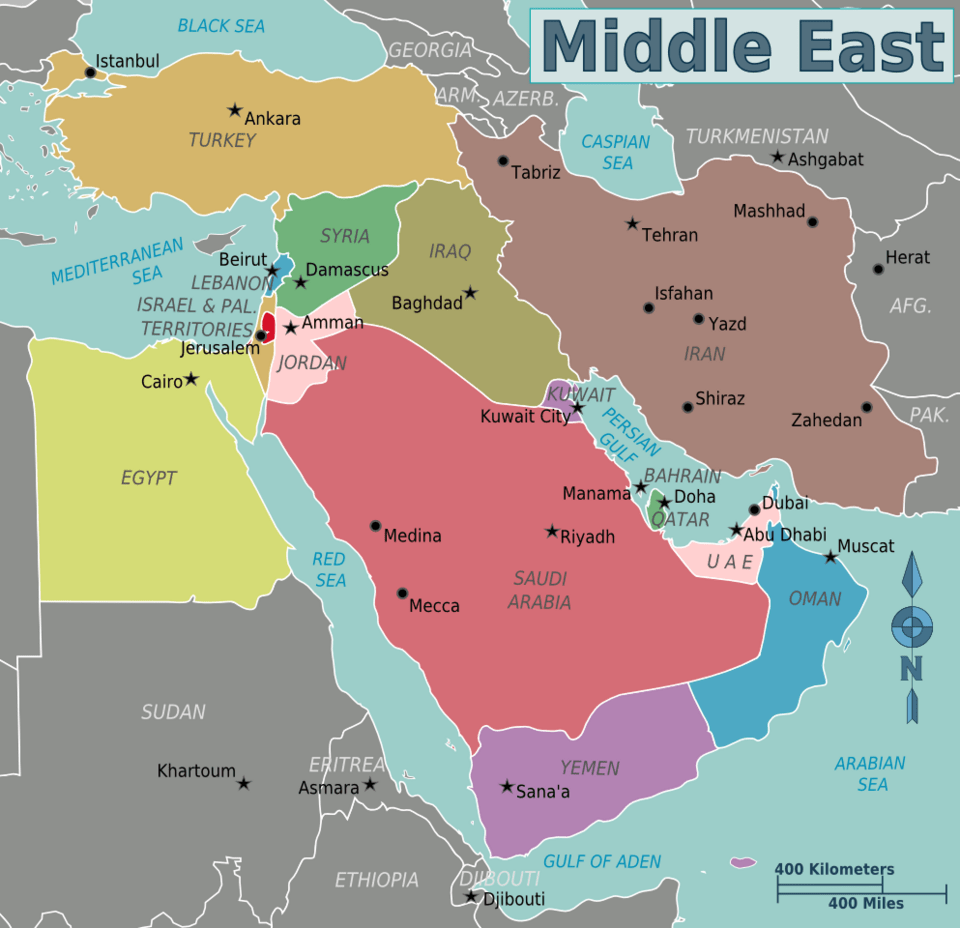
The Middle East is a critical bridge connecting the Mediterranean to the Indian Ocean. The tension between Iran and Israel at the heart of this geography is not just a contemporary issue; it is a massive equation where the heritage of ancient civilizations, the interpretation of holy books, and the vast energy resources (oil) beneath the ground converge. On one hand, the belief in “promised lands,” and on the other, the deep fractures within Islam and the energy appetite of external powers make this region the world’s most dangerous and important chessboard.
While Iran was an empire in the grip of colonialism in the 1900s, it became an oil giant trying to westernize in the 1950s; today, it stands as a center of resistance challenging the “rules” of the modern world with its ancient heritage. Throughout these external storms, the Iranian people have not remained mere spectators. The Constitutional Revolution of 1906 was the first democratic cry of these people to determine their own destiny. Since then, Iranians have always strived to draw their own path by preserving that 2300-year-old honor.
Within Iran, such diverse ethnic backgrounds and religious differences are so intertwined that, despite all kinds of provocation, the nation manages to stand as a whole around this thousand-year-old common heritage. Everyone in the world who stands for peace and human dignity must better understand the conditions the Iranian people are in and the “invasion” they have faced. To stand in solidarity with these valuable people and these precious lands, we must get to know them better and establish more empathy and connection.
 ataraksiya
Yorum bırakın